Altitude Project’s mission is to support education in the remote Upper Dolpo region of Nepal, a culturally and linguistically Tibetan area that is home to some of the highest-altitude villages in the world.
We help children in these isolated communities access education. We provide vital support for school operations, and provide practical resources that remove barriers to learning—including greenhouses, clean water projects, portable solar lights and reusable menstrual kits.
Our goal is simple: to help create opportunities for children and young people whose choices should not be limited by where they were born.
Altitude Project Community Support Foundation is a nonprofit society registered in British Columbia and a registered Canadian charity.
100% of every donation goes directly to projects in Nepal. Our directors personally cover all administrative expenses.

What Altitude Project Does
Twenty-five years ago, children in Upper Dolpo had virtually no access to formal education, and and most of the population is illiterate. Many villages are still without a school. Government funding is almost nonexistent.
Families, teachers and communities here have worked hard to create schools and opportunities for their children. Altitude Project joins that effort by helping provide the resources communities need to keep their schools going and children learning. The schools are doorways to a different future, for the children, their families, and the generations to come.
Here’s how we’re helping:
- Supporting 5 schools (200+ students) with essential educational resources
- Providing a hostel in Kathmandu for 30 students pursuing secondary education
- Building greenhouses to improve food security, over 300 built so far!
- Distributing reusable menstrual hygiene kits (700 delivered so far!) in partnership with Days for Girls Nepal to improve women’s health and dignity.
“The children of Dolpo are not less capable or less deserving because of poverty or geography. In many ways, they have been held back by a system that has not given them the same opportunities that children elsewhere may take for granted.
And that is why I believe the work matters.
Whether we are able to reach 100 children or just one, the question should be whether we have helped create an opportunity that did not exist before. Because behind every number is a child, a family, and a future, and each one deserves the opportunity to choose their own path.”
— Milan Kumar Sardar Tharu, CEO, Himalayan Development Initiative
Where is Upper Dolpo
to zoom in, use control plus scroll
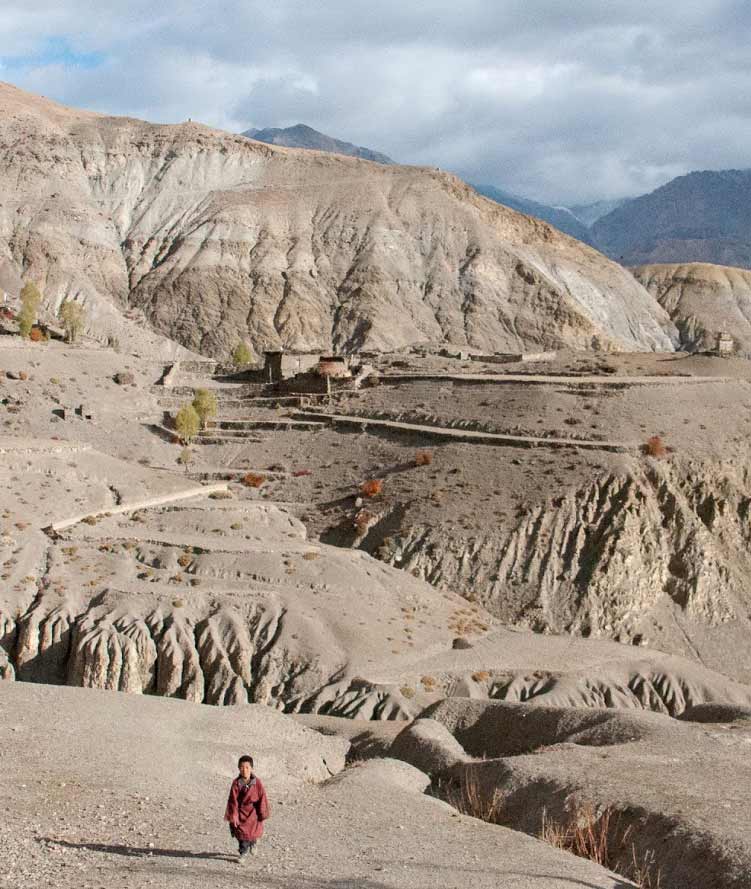
Upper Dolpo is one of the most remote places on earth. It lies high in the Himalayas on the edge of the Tibetan Plateau. The villages we support sit at elevations of roughly 3,500 to 4,000 metres.
Families here have sustained themselves for generations through subsistence agriculture and semi-nomadic livestock herding while preserving a rich Tibetan language, culture and Buddhist tradition.
Tiling, a village of 200, Upper Dolpo
There are no roads to these communities. Reaching them requires a week of walking through rugged mountain terrain and crossing passes more than 5,000 metres high. The passes are often closed in the winter.
Everything a school needs must make that journey too. Books and school materials are purchased in Kathmandu and transported by road as far as possible. From there, mules and yaks carry them on the final journey into the mountains.
Yaks carrying construction materials for the new school at Ku.
Photo: Pema Tsering Gurung, Ku School Coordinator
This is the school in Tiling. It was started by Yonten Gyatso, of Tiling. Other village schools were started by trekkers.
Read more about the schools →
These children live in one of the most inaccessible places on the planet, yet their hopes are no different from any child’s. They all dream of a brighter future, and most wish to return to their village to make a difference as teachers, nurses and doctors.
Growing Up In Upper Dolpo
Life in Upper Dolpo is extraordinarily demanding. Families survive largely through subsistence agriculture and livestock herding in a high-altitude environment where the growing season is short and the margin between having enough and going without is very small.
Every member of the family contributes, often from a very young age. Children herd yaks, goats and sheep, collect dung for cooking and heating, fetch water, care for younger siblings and work in the fields. Their contribution isn’t simply a household chore, it is essential to the family’s survival. When there aren’t enough hands, there may not be enough food.
Sending a child to school requires a commitment from the whole family. When the child is in the classroom, the animals still need herding, water still needs carrying, and the fields still need tending.
Many parents face a heartbreaking choice: send their children to school, or keep them home to work so the family can survive the year ahead.
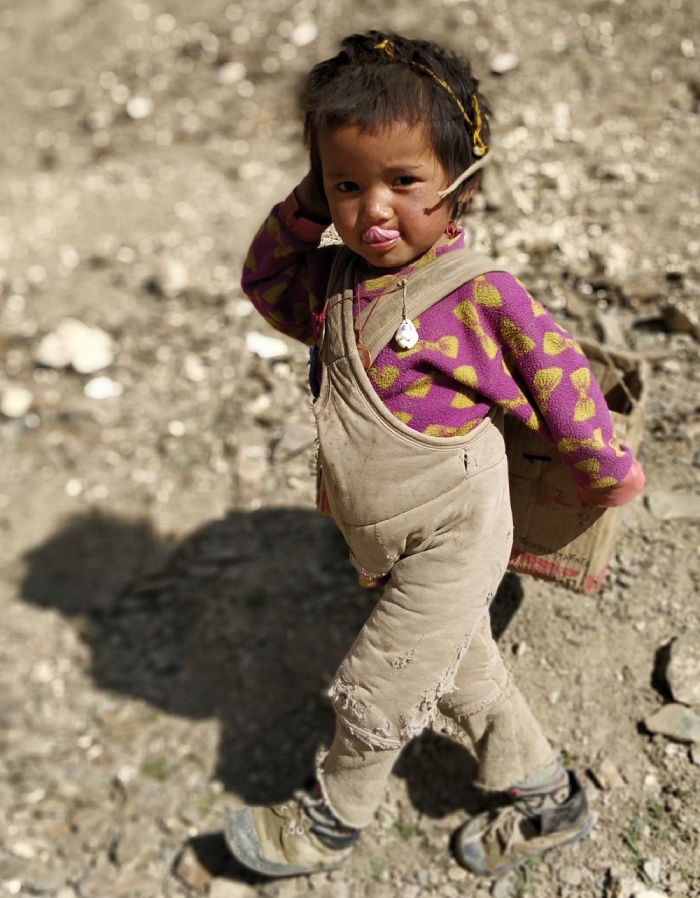
Tiling child collecting dung for cooking and heating

young herder, Nyisal
Everyone Works Hard Here
Herding does not require the physical strength of field work. so the task is often given to young children. Livestock is the family’s primary asset and the child must find pasture, and keep the herd safe from snow leopards and wolves.
“When I was 6 I liked to goatherd. On my second day, because I was just learning how to herd the goats, I did not get them home until midnight! “
— Tenzin
Read Tenzin’s Story →
“This is our village during winter. There is snow up to knee. The hungry snow leopard that we call Saau is looking at our goats, which are looked after by small girl.” — Tenzin
Determined to Learn
Some students miss months of school and have to repeat a grade. Some miss years. Some never give up.
“I was sent to school at 2019 and then I was dropped out that same year by my father to send me herding yaks and goats and sheeps. I used to borrow books from my cousins when they are of no use and take them to the mountains when herding. Herding all day and carrying heavy loads of dung on my back is hard. And sometimes problem like snow leopard attack, and kill goats and sheep.
At 2023, I rejoined school on my own will… My parents are planning to keep me at village to rear the animals and help them at domestic works. But as for me, school is the only ray of hope for my life. I want to become a teacher and return back to my home and serve.”
Today she is eighteen and studying in Class 6 at Karang School.
Read Pasang’s full story →
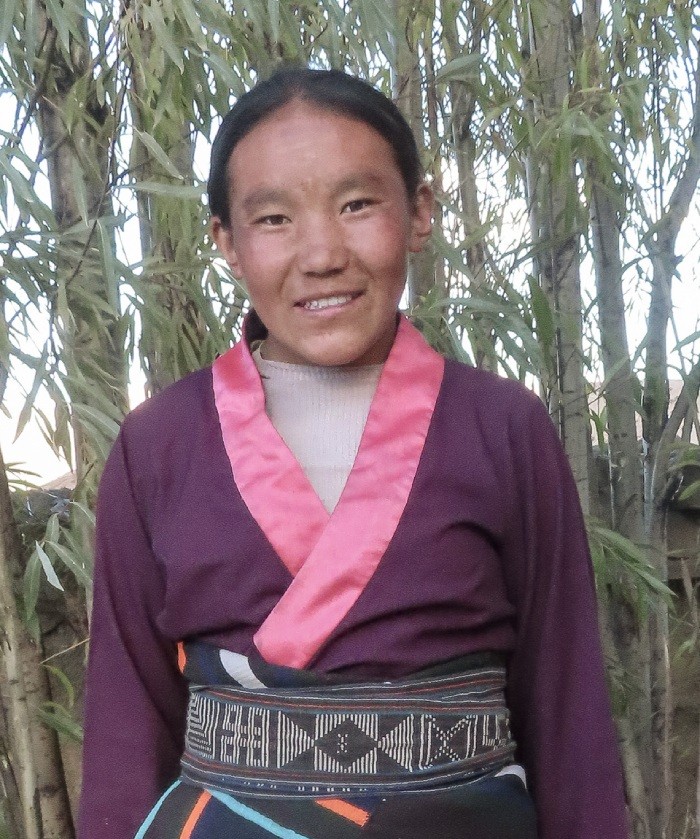
Being Behind is Not the Same as Being Finished
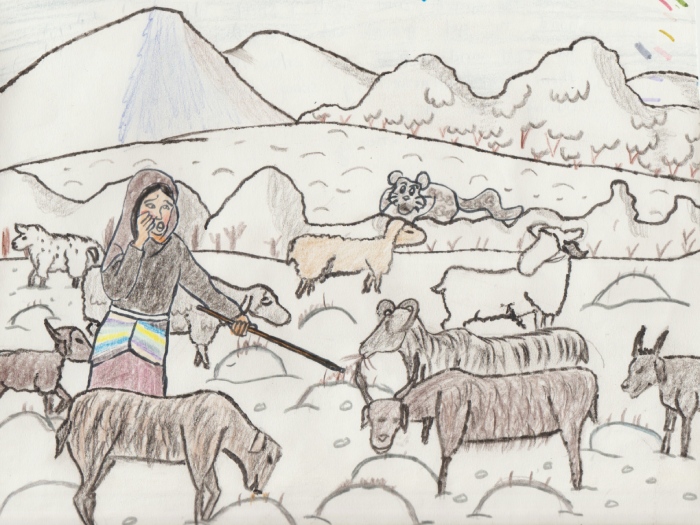
This is me during winter, using a stick to clear the snow covering the grass that the goats and sheep rely on for food.
Tsering had to leave school after the death of her parents and spent two years caring for her family’s goats and sheep. When she was finally able to continue her education in Kathmandu, she was years behind.
Tsering said, “I had forgotten almost everything in my two years of looking after the animals. I started from the beginning…”
Today, she has earned a scholarship for Grades 11 and 12.
“Your kindness has made a huge impact on the lives of Himalayan children like us. We are first in family to have education. With your loving and helping hand we got the opportunity, not just for education, but also to dream of a future, which we can also have positive impact in the world inspired from you. We also can take responsibilities of helping other. ”
Read Tsering’s story →
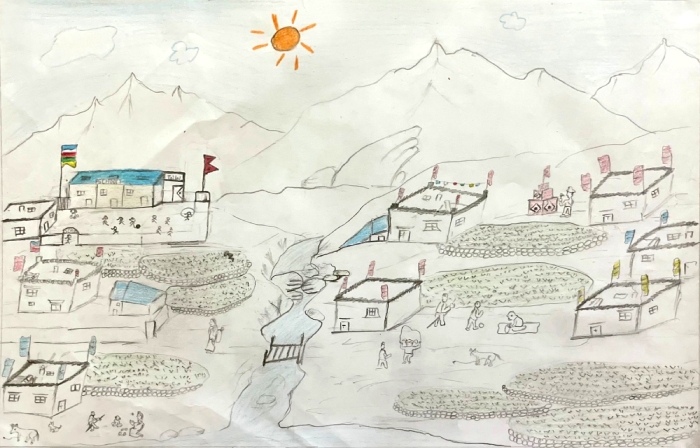
Karang Village, Through the Student’s Eyes
A collaborative drawing of Karang village by the students in Karang Hostel in Kathmandu
From a Village Classroom to University
Children begin their education in their home villages. Those who want to continue beyond the grades available there may move on to Karang and, later, to the Altitude Project-supported hostel in Kathmandu, where they can complete high school.
And now, the first students we have watched grow up are heading to university.
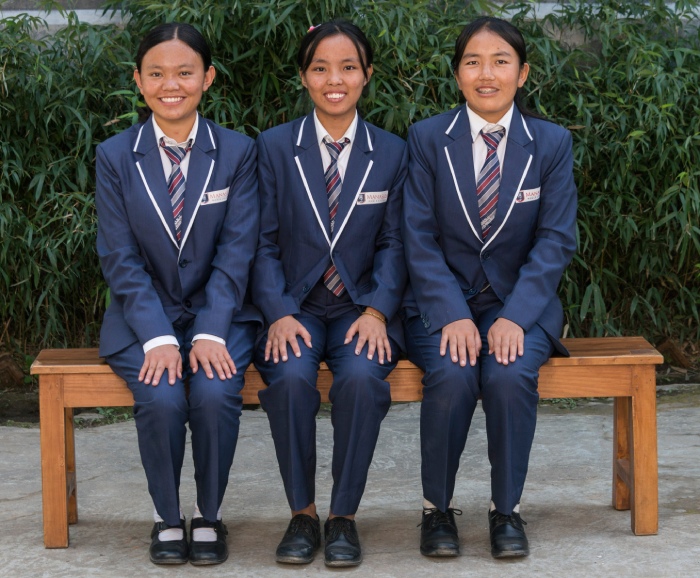
Nyima, Sonam, and Tenzin, our first grade 12 graduates
Meet Sonam
At nine, Sonam left the Upper Dolpo to continue her education in Kathmandu. She wrote, “On the way to Kathmandu my cousin asked me, ‘Do you know what our life will be, do we know what we will be?’ I got excited because we had never thought of such things! With education anything is possible!!”
In 2026 Sonam completed Grade 12 and earned a full four-year university scholarship. And she isn’t alone.
Sonam, Tenzin and Nyima became Altitude Project’s first Grade 12 graduates. All three were accepted into university, and all three earned significant four-year scholarships.
This is what opportunity can become.
Read Sonam’s Story →
Education Doesn’t Happen in Isolation
A child cannot learn well when drinking water makes them sick, nutritious food is scarce, or something as simple as having a period keeps a girl from attending school. That is why our work sometimes extends beyond the classroom. We support greenhouses, safe drinking water, reusable menstrual hygiene kits and adult literacy classes.
Each project removes a barrier to learning or strengthens the family and community around the child.
Explore Beyond the Classroom →
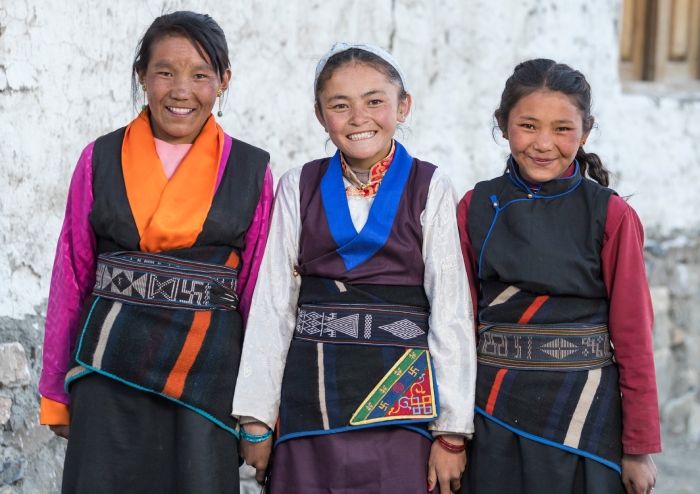
A menstrual kit means dignity, confidence, and the chance for a girl to stay in school.
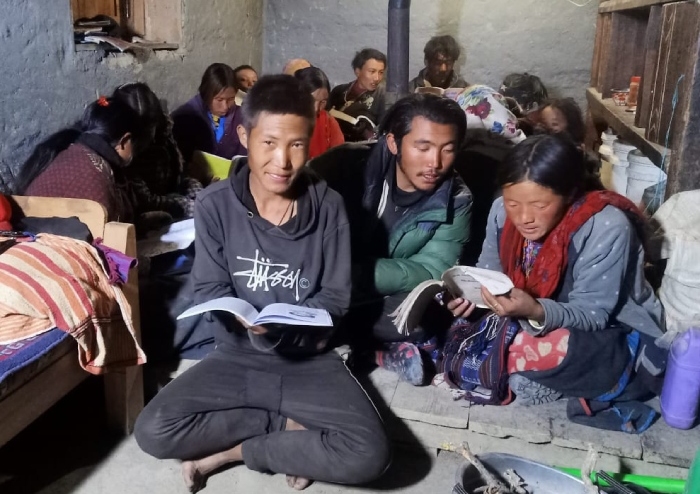
Tiling School, adult literacy class around the warm stove in winter
Photo: Yonten Gyatso, first Tiling School Coordinator
Sitar, in her greenhouse in Tiling
Altitude Project began with a Camera Battery
In 2015, I arrived in the tiny village of Saldang during a 23-day trek through Upper Dolpo. My camera battery was running low, and the local school was the only place in the village with electricity. While I waited for it to charge, I met Pema Wangyal, the school coordinator, and his wife Kunsang Lhamo, a teacher. I learned about the school, the children and the uncertainty surrounding its funding for the following year.
Months later, I received New Year’s greetings from Pema and Kunsang—with a gentle reminder about the school. I decided to see what I could do. Friends joined me. Then friends of friends. That first year, together we raised $13,500.
What began with a camera battery, a chance meeting, and one decision to help became Altitude Project.
— David Swain, Founder & President
Read Our Story →
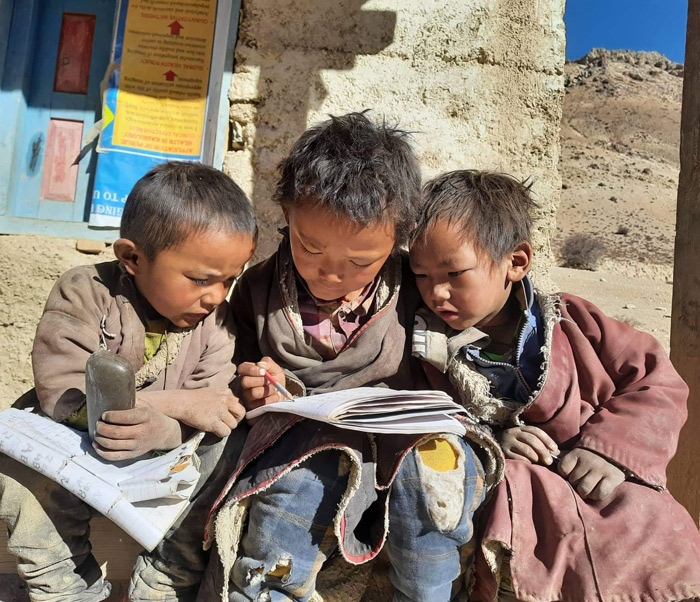
Why Help Here?
I was once asked why we should help the people of Upper Dolpo when so many others around the world also need help.
It is an important question, and my answer is deeply personal.
Read my response →
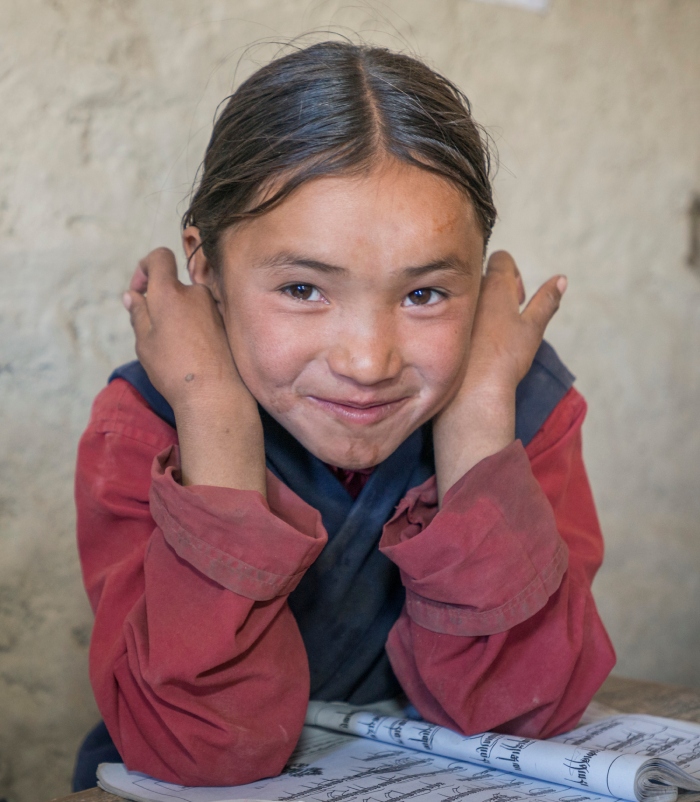
Small Charity. Direct Impact.
Altitude Project is a small, volunteer-run Canadian charity working directly with schools and communities in Upper Dolpo.
100% of every donation goes directly to projects in Nepal. Our directors personally cover our administrative expenses.
Your gift can help provide education, school lunches, books and classroom supplies, safe drinking water, greenhouse materials, or support for a student continuing their education.
Even the smallest donation can go a long way here, farther than you can imagine.
And every dollar becomes part of someone’s opportunity.
See What Your Gift Can Do →
Heartfelt Thanks from Komang School
From all of us at Komang School, and especially from our children, teachers, we send our most heartfelt gratitude to every donor who has opened their heart to us and walked beside us.
Your generosity is not simply a gift. It is an act of love that travels across the Himalayas mountains to reach our children. Your kindness gives them education, hope, opportunity, and the courage to dream of a brighter future.
Each and Every gift tells a child: “You matter. Your future matters. You are not forgotten.”
To every donor who has supported, encouraged, and believed in our children—thank you for being part of our journey and part of our Komang family.
With love, gratitude, and prayers,
-Komang School Team
Thank You for being a light in our children’s life journey
Read about the schools →
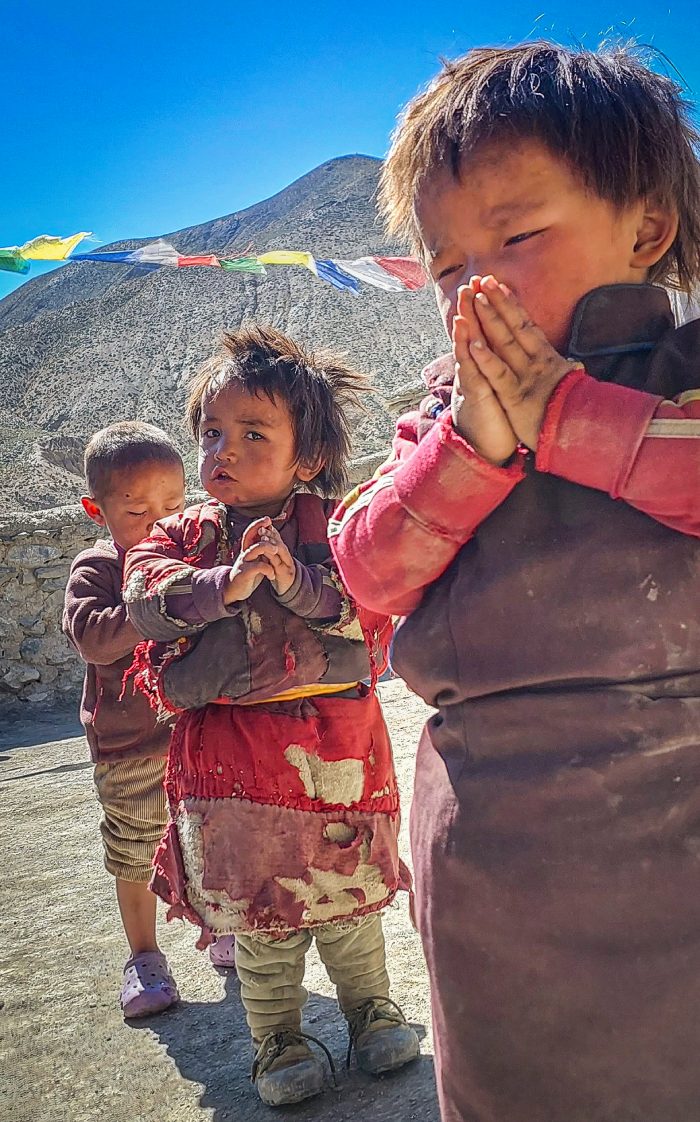
Students begin their day with Buddhist prayers for all beings
A Thank You From Nyisal School
“To every donor and supporter whose kindness flows through Altitude Project: thank you. Your generosity is there in every warm meal, every textbook, and every child’s opportunity to learn. You have shown our students that their dreams and futures matter to people halfway across the world.
We could never have walked this path alone, and we are profoundly grateful to walk it with you.”
With our deepest gratitude and warmest Himalayan greetings,
— Milan Kumar Sardar Tharu
On behalf of the community of Nyisal, teachers, and students of Shree Yanjer Gumba Basic School
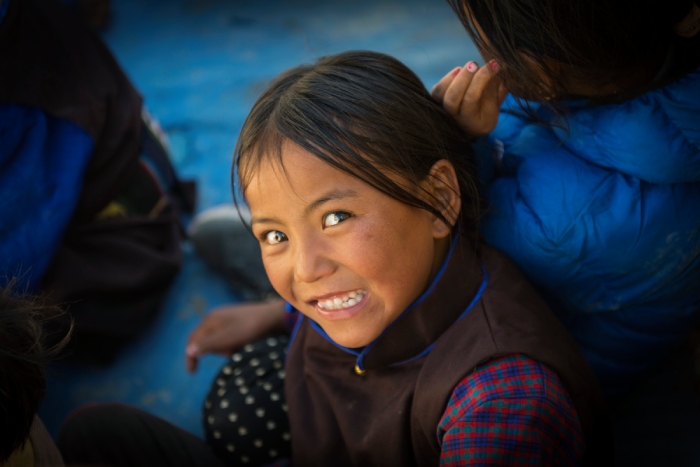
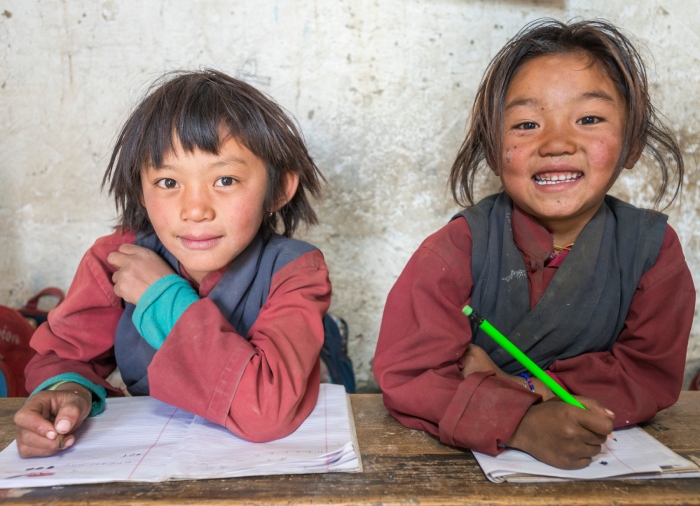
Help Them Take The Next Step
The children and young people of Upper Dolpo bring the determination, the courage and the dreams.
Your gift helps provide the opportunity.
DONATE TODAY →
100% of your donation goes directly to projects in Nepal.
The Upper Dolpo Trek – the trek that inspired Altitude Project
Photography: David R. Gluns, except where otherwise credited.

“Be the change that you wish to see in the world.”
― Mahatma Gandhi

Ignore everything below here
The Hostel in Karang
Meet Palsang
Hello, my name is Palsang. I have no father and mother, they passed away and now I live with my sister and brother. I am in grade 6 and am 13 years old. I am very happy! I study hard because I want to be a doctor. My Kyi village has no school. It takes me one and half hour to walk to Karang village school. It is dangerous for me because there is a big river I have to cross from my village to Karang and during rainy seasons the river gets difficult to cross and there no bridges. And that’s why sometimes I stay at Karang village hostel in the summer when we get very heavy rain and too dangerous for me to go home or come to school.
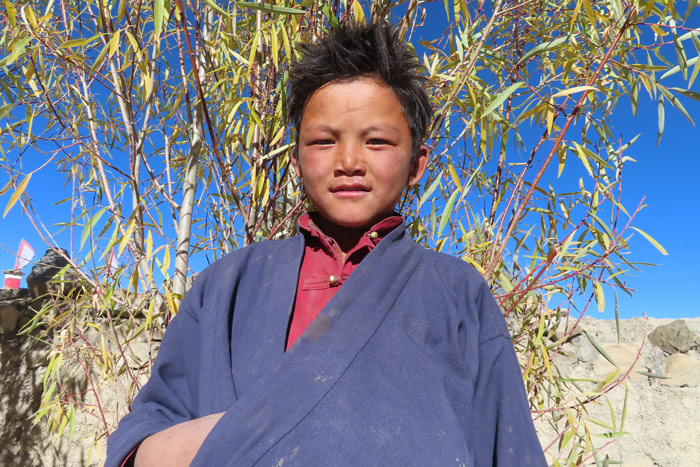
Our Village, Through the Eyes of Chime and Dolma
Our village is surrounded by mountains. A beautiful one. The villagers are working in fields…. In the school, children are playing football, skipping, which they mostly play.”
— Chime and Dolma
What Isn’t in the Picture
“Something that is not in picture is, our village is very remote and it’s inside many mountains so lots of snow leopard.”
Chime remembers a snow leopard entering her family’s animal enclosure and killing twelve sheep and goats.
“This moment… I still remember and I still feel afraid. That is why it is not in the picture.”
Read Chime and Dolma’s Story →